01
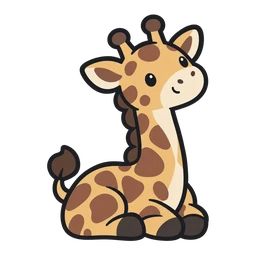
Who is the Future Giraffe?
The Future Giraffe (PMFS) is a patient, story-first investor who looks for the companies riding a big change and holds a few of them for years. Giraffes care less about this quarter’s numbers than about where a business could be in five years, and they’re willing to wait to find out.
Most people hear about a new technology once it’s already everywhere. Giraffes tend to hear about it while it’s still an odd demo that only a few people use. By then they’ve already spent an evening reading about how it could change ordinary life.
Seeing that far ahead is a real advantage, but it comes with a catch. A change can be huge and still leave the company a Giraffe picked behind, so the question that matters is whether this business will be the one that gets paid. The best Giraffes keep asking it for as long as they own the stock, not just on the day they buy.
Reading tomorrow’s news today
Hand a Giraffe a quarterly report and they’ll skim the profit line and go straight to the parts about customers: who’s signing up, how fast, and whether they stay. They’re trying to picture the company five years from now, and last quarter’s earnings are only a rough sketch of it.
That habit lets them spot changes before they show up in the usual numbers. It can also make them a little too forgiving when the numbers keep not showing up.
Early, but not too early
Giraffes aren’t the kind who back a business that’s still just a pitch deck. They’d rather wait until sales start taking off and the stock starts climbing, which tells them the world is beginning to agree.
By then the stock usually isn’t cheap, and they’re fine with paying up for a story they believe in. To a Giraffe, buying a real winner at a higher price beats buying early into an idea that never turns into a business.
A few big ideas
A Giraffe’s portfolio usually holds a handful of companies tied to one or two big themes. Big changes tend to end up with a few big winners, and if a Giraffe is right about where things are going, they want enough money in it to notice.
That focus lets them follow each company closely, from product launches to the hiring news nobody else reads. It also means a single wrong pick shows up in the account fast.
02
Strengths and weaknesses
Strengths
Long visionGiraffes can see opportunities that people focused on the next few months walk right past. When an industry is just starting, they’re often among the first to ask which companies could lead it.
Patient through swingsA bad month doesn’t change much for someone who thinks in five-year stretches. Giraffes can sit through the kind of drop that sends other investors running from companies that are still growing well.
Spots the leaders earlyWhen a young industry takes off, Giraffes usually notice which companies are pulling ahead before most people do. The signs tend to show up in customer news well before the headlines, and Giraffes are the ones reading it.
Can explain every holdingAsk a Giraffe why they own something and you’ll get a clear answer in a sentence or two. A reason that simple is easier to hold onto during a rough stretch, and easier to check later.
Looks past one quarterGiraffes judge a business by how it’s growing over time, not by one set of results. That helps them tell a company having a slow quarter apart from a company losing its way.
Gives each idea real attentionWith only a few holdings, a Giraffe has room to follow each company for years. They can compare what they expected with what actually happened, and watch how management handles plans that run into reality.
Weaknesses
The future runs lateBig changes usually take longer than their fans expect. Holding an expensive stock through years of “not yet” can be painful, even when the idea turns out right in the end.
Pays too muchExciting growth companies are rarely cheap, and a high price leaves little room for disappointment. A company can have a good year and the stock can still fall, simply because people expected even more.
Right trend, wrong companyA Giraffe can be right that a technology will spread and still pick the business that loses to a rival. Being part of a trend says very little about who will make the money from it.
In love with the ideaBelieving in a big idea can make a Giraffe overlook a company’s real problems, like thinning profits or a team that keeps missing its own targets. Good news fits the story, and bad news gets explained away.
Moves the goalpostsWhen a milestone slips, pushing the timeline back can feel like patience. Doing it once may be fair, but doing it every year means the idea never faces a real test.
Deep dropsGrowth stocks can fall by half in a bad year, even when the business is doing fine. With only a few holdings, a Giraffe feels that kind of drop across the whole account.
03
In every market
In a sharp decline
The story gets a stress test
Crashes hit growth stocks hard, and a Giraffe’s few holdings usually fall further than the market does. Telling themselves they think long term helps for about a week, and then the doubts start creeping in.
What helps more is going back to the steps they expected each company to take. If customers are still signing up and sales are still growing, a Giraffe can usually hold with a clear head. If growth has stalled, the crash is a fair reason to rethink the whole case.
In a strong rally
The big ideas get noticed
Growth rallies are a Giraffe’s moment. The companies they believed in for years suddenly show up on the news, and friends who once laughed at the idea start asking how to get in.
The risk is that the most hopeful outcome starts to feel like the likely one. A good habit here is to ask what today’s price assumes, and to notice when it seems to need everything to go perfectly for years.
In a quiet market
Growth nobody is watching
Flat markets are fine with Giraffes, as long as their companies keep growing. Some of the best progress happens in years when nobody is paying attention, while the business gets bigger and the stock waits.
The trap is swapping in easier measures when the original ones aren’t being met. A quiet stretch is a good time to pull out the milestones they picked earlier and check them honestly.
04
Day to day
How they research
Giraffes read about technology, science and where industries are heading, often more than they read about stocks. Once a theme grabs them, they look for the few companies building it and follow their launches, their customer counts and how fast sales are growing. They don’t check prices much, but they always check whether sales are still climbing.
How they talk about stocks
Bring up a new gadget at dinner and a Giraffe will tell you which company makes the part inside it, and why that company could be huge in five years. Their excitement is real, and it can be catching.
Friends who like cheap stocks may roll their eyes at the prices Giraffes are willing to pay. Giraffes, in turn, have a hard time understanding why anyone would want to own the past.
How they handle losses
Giraffes take a loss well when the whole market is down and their companies keep growing. It hurts much more when the story itself cracks, like when a rival’s product wins or customers stop showing up.
Admitting that a story is over, instead of pushing its timeline back one more year, is the hardest thing for this type to learn.
05
With other types

Climbers · PMFN
Kindred spirit
The Conviction Lion also holds a few strong companies for years, but it wants proof in today’s results before it gets excited. Its favorite question, “what has this business already delivered?”, helps a Giraffe turn a far-off vision into progress it can check this year.
Collectors · PVFN
Friendly challenger
The Deep-Value Owl asks what has to be true for a price to make sense, and won’t buy until the answer looks good. A Giraffe doesn’t need every company to look cheap, but borrowing that habit makes it easier to tell a great future from one that’s already in the price.

Climbers · PMDS
Close cousin
The Big-Picture Octopus loves the same long-term changes, but it spreads its money across many companies inside each theme. That raises a fair question for a Giraffe: why should one or two picks carry the whole idea when the eventual winner might be someone else?
06
Growing as a Giraffe
- 1
Map the steps from idea to investment
Write your case in steps:
- Change
What could change about how people or businesses work?
- Company
Why might this business gain from that change more than its rivals?
- Profits
How could those gains turn into lasting business results?
- Price
What does today’s price expect the company to do?
Laid out like this, you can see where your knowledge ends and your guesses begin. Then you can research the weakest step, instead of rereading the part you already understand.
- 2
Pick your milestones ahead of time
Choose a few things that would back up your case over the next year, like steady customer growth, and a few that would cut against it. Write them down before you check in, not after.
If you change a milestone later, keep the old one next to it with a note on why. That makes it easier to tell real learning from quietly lowering the bar after a letdown.
- 3
Imagine the theme winning while your stock loses
Picture the big change happening exactly as you expect, while the company you picked falls behind a rival. Then ask:
- What would that look like over the next few quarters?
- Which of those signs are you already tracking?
- Is your position small enough to sit through a 50% drop without panicking?
- Would owning two or three companies in the theme protect you better than one?
If that story is uncomfortable to write, the part that makes you squirm is usually the part of your case to check first.
07
Strategies that fit
Giraffes tend to like long-term growth investing, bets on new technology, focused portfolios built around one or two themes, or buying the leaders of young industries. Each of them asks you to spot a change early, own a few of the companies building it, and give them years.
Whichever one appeals to you, look at how its rules decide that the growth has stopped. A strategy built on the future still needs a signal from the present, like rising sales, or nothing in it will tell you when to let go.
08
The Giraffe in the long run
Giraffes often look early, and sometimes they look wrong for a while. When a big change does arrive, though, they’re often the ones who already own the companies at its center and held on through the scary parts.
Growing as a Giraffe isn’t about looking less far ahead. It’s about tying that view to evidence you can check each year, and being honest when a story you love has stopped coming true.
“Think of a company you believe could matter in five years. If you’re mostly right, what should you be able to see happen over the next year?
Curious how your style would actually do? Describe its rules in Alphaground and let an agent follow them with practice money, so you can watch every decision it makes.
16 Investor Types describes the preferences you report in the test, not your skill. Nothing here is investment advice.
All 16 types
Take the test