01
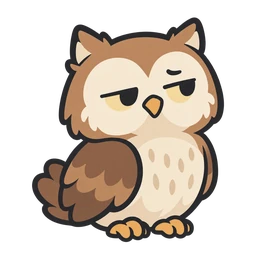
Who is the Deep-Value Owl?
The Deep-Value Owl (PVFN) is a patient, numbers-first investor who buys a few strong companies at the moment the market has stopped wanting them. Owls read years of reports before they buy, work out roughly what a business is worth, and then hold on until the price catches up.
Most investors hear about a stock when it’s already popular. Owls tend to hear about it when it’s in trouble, usually from a headline about a bad quarter that knocked the price down 30% in a day. Where other people see a reason to stay away, an Owl sees a reason to open the annual report.
From the outside that can look stubborn, and sometimes it is, but there’s a lot of reading behind it. An Owl wants its own answer to what the business is worth, worked out from the numbers, before it lets the price say anything. When the two are far apart and the business still looks healthy, the Owl buys enough for it to matter.
Up late with the annual report
Ask an Owl about its Sunday and the answer may well involve five years of a company’s results and a pot of coffee. Owls want to know how the business makes money, how much of its profit turns into real cash, and what it owes. They’d rather know too much than too little, and they rarely buy anything they haven’t studied this way.
All that reading gives them a picture of a company that most shareholders never get. The catch is that a careful estimate can feel more certain than it is. Behind a page of tidy figures sit two or three big guesses, like which year’s earnings are normal. The wiser Owls know exactly which guesses those are.
The whole portfolio fits on a card
Real bargains in good businesses don’t come along often, so when an Owl finds one, it buys a real position. Its portfolio might hold five or six companies, and it can tell you the numbers behind every one of them without looking anything up.
Owning so few is part of the appeal, since every holding gets real attention. It also means one wrong call can hurt, and after months of work, admitting that a call was wrong is surprisingly hard for an Owl.
Happy to sit alone at lunch
Buying what nobody wants doesn’t bother Owls much. If the numbers say a company is cheap and the business looks healthy, they trust that more than the headlines telling them to stay away.
That independence is where most of their best ideas come from, and also where the worst ones hide, because some companies are cheap for a very good reason. A business can shrink for years while its old numbers look fine. So a good Owl keeps asking whether the company is still healthy, as well as whether the price is low.
02
Strengths and weaknesses
Strengths
Deep researchOwls know their companies better than most investors know theirs. They’ve read the reports, checked the debt and worked out where the cash goes, so they’re rarely caught out by something that was sitting in plain sight.
Price disciplineAn Owl decides what a business is worth before it looks at what the market wants for it. Paying well under that number leaves room for some of its guesses to be wrong without the whole idea falling apart.
Thinks for itselfOwls reach their views from their own work instead of waiting for others to agree. That lets them buy while a company is still unpopular, which is usually when the price is lowest.
Willing to waitYears of waiting for the market to come around don’t wear an Owl down. It checks in when a company reports results and mostly ignores the daily moves in between.
Decides on factsAn Owl’s decisions rest on numbers it can point to, not on how the market feels that week. Ask why it owns something and you’ll get a clear answer, often with a figure or two attached.
Learns from every holdingHolding a few companies for years lets an Owl compare what it expected with what the business actually did. Over time it learns which of its assumptions tend to hold up and which ones need more care.
Weaknesses
Cheap for a reasonSome companies are cheap because the business is quietly shrinking. The old numbers can look fine while that happens, and an Owl watching only the price gap can buy a slow decline at an apparent discount.
Every miss countsWith five or six holdings, one bad call can take a real bite out of the whole portfolio. Owls feel each mistake much more than investors who spread their money across dozens of stocks.
Too sure of the numberA valuation with forty figures in it can still rest mostly on one guess about future earnings. All that detail makes the estimate look precise, and it can hide how much the answer depends on something nobody can know yet.
Hard to let goAfter a month of research, changing its mind can feel to an Owl like throwing the work away. So it sometimes reads fresh bad news as a small exception instead of letting it change the case.
Misses fast growersCompanies growing quickly almost never look cheap on today’s earnings, so Owls tend to skip them. Some of those businesses grow into a price that looked silly at the time, and the Owl watches from the side.
Slow payoffA bargain can take years to be recognized, and sometimes the price just sits there. Even a patient Owl starts to wonder, somewhere around the third flat year, whether it missed something in the reports.
03
In every market
In a sharp decline
What all the reading was for
A crash is the moment an Owl has been preparing for. Companies it has studied for years finally reach the prices on its list, and it can buy with a kind of confidence that most people don’t have that week.
The risk is spending its few spots on the first stock that gets cheap, when a better bargain might show up a month later. A falling price can also make the gap to its estimate look bigger just as the business gets worse. Owls do best when they update the estimate first and only then look at the discount.
In a strong rally
Everything looks too expensive
Bull markets are hard on Owls. Prices run ahead of their estimates, and an Owl might find nothing worth buying for months while friends ask why it’s sitting on so much cash.
Holding cash is a fine answer, but it helps to look back at the stocks it called too expensive. If their business results beat what the Owl expected, there’s something to fix in how it estimates value. If prices simply rose without the results to match, its standards are probably fine as they are.
In a quiet market
Plenty of time to read
Quiet markets suit Owls well. Prices don’t run away from the list, there’s time to read, and the odd bargain shows up without needing a crash to cause it.
The trap is reading only what supports a case it has already made. Extra research helps most when it changes what the Owl understands. A quiet stretch is a good time to hunt for the one finding that would change its mind.
04
Day to day
How they research
An Owl’s research starts with a company, not a chart. It reads five years of results, works out what the business earns in a normal year, and checks the debt against what the company owns. It keeps a short list of companies it would love to own, each with a rough price, and checks its holdings when they report rather than daily.
How they talk about stocks
At a party, the Owl is the one who knows a surprising amount about a company that makes industrial pumps. It isn’t showing off, it just finds that kind of business more interesting than whatever stock everyone else is talking about.
Friends who ask an Owl for a tip tend to get a twenty-minute answer about debt. Owls are often happiest talking with someone who disagrees with them, since a sharp objection tests their case better than another evening with the reports.
How they handle losses
Owls take a loss calmly when the business is fine and only the price has dropped. They take it much harder when the research itself was wrong, because they put so much of themselves into it.
The skill this type works on longest is keeping what it learned apart from the decision that research first led to. Selling a stock it studied for months doesn’t waste the work when the facts have turned, since knowing when to sell was part of why it did the work.
05
With other types
Collectors · PVDN
Kindred spirit
The Bargain Tortoise shares the Owl’s taste for cheap stocks but spreads it across thirty where the Owl would pick five. Owls can borrow its sense of how much rides on any single estimate, even one backed by months of reading.
Climbers · PMFS
Friendly challenger
The Future Giraffe pays up for companies that are growing fast, which an Owl can rarely bring itself to do. It’s a useful voice when an Owl’s estimate leans hard on a past that may not describe the business ahead.

Climbers · PMFN
Useful rival
The Conviction Lion also owns a few companies and holds them for years, but it wants to see the business getting better right now. Its favorite question, “what is this company actually achieving?”, keeps the gap to an Owl’s estimate from becoming its only reason to hold.
06
Growing as a Owl
- 1
Keep facts, guesses and decisions apart
For each company you own, write three short notes:
- Facts
What has the business actually reported or shown?
- Estimates
Which assumptions take you from those facts to what you think it’s worth?
- Decision
Why does today’s price justify the amount you’ve put in?
When news comes in, you’ll see where it lands: a fact changed, an estimate got weaker, or the amount you hold now carries more doubt than you meant it to.
- 2
Write the best case for a lower value
Using the same reports you read, build a believable case that the company is worth a good deal less than you think. Focus on the disagreement that matters most, like how long the earnings will last or what the assets would really sell for.
Then ask what you’d expect to see next year if the low case were right. That gives you something to check each time the company reports, instead of a worry you can’t test.
- 3
Match the size to the doubt
For each of your biggest holdings, ask:
- Which one assumption moves your estimate the most?
- How sure are you about it, honestly?
- Do two of your holdings depend on the same guess?
- Would you hold this much if the research had taken a weekend instead of a month?
The last one is the hardest. Time spent researching can feel like a reason to own more, when the amount you hold should follow how sure the evidence lets you be.
07
Strategies that fit
Owls tend to like deep value investing, the stocks with the lowest price for their earnings, small portfolios of cheap companies, or good businesses in a rough patch. They look different on the surface, but they all ask for the same things: do the homework, pay a low price and wait.
Before you pick one, check how it decides what a company is worth and what it does when the price stays far from that number for years. A single ratio can make almost anything look cheap, so it matters that you can explain the reasons behind each of its rules.
08
The Owl in the long run
Owls rarely make the most noise about their returns. What they often have instead is a short list of companies they understand very well, bought at prices other people were too nervous to pay.
Growing as an Owl isn’t about reading more. It’s about knowing which part of the estimate is weakest, and letting new facts change a view that took a long time to build.
“Pick a company you’ve researched deeply. Which single assumption matters most to what you think it’s worth, and what’s the strongest evidence against it?
Curious how your style would actually do? Describe its rules in Alphaground and let an agent follow them with practice money, so you can watch every decision it makes.
16 Investor Types describes the preferences you report in the test, not your skill. Nothing here is investment advice.
All 16 types
Take the test